


What You’ll Learn
By the end of this guide you’ll know the exact steps to set up an emergency fund that covers three months of living expenses, how to automate savings, and when to adjust the target as your finances change.
1. Define the Target Amount
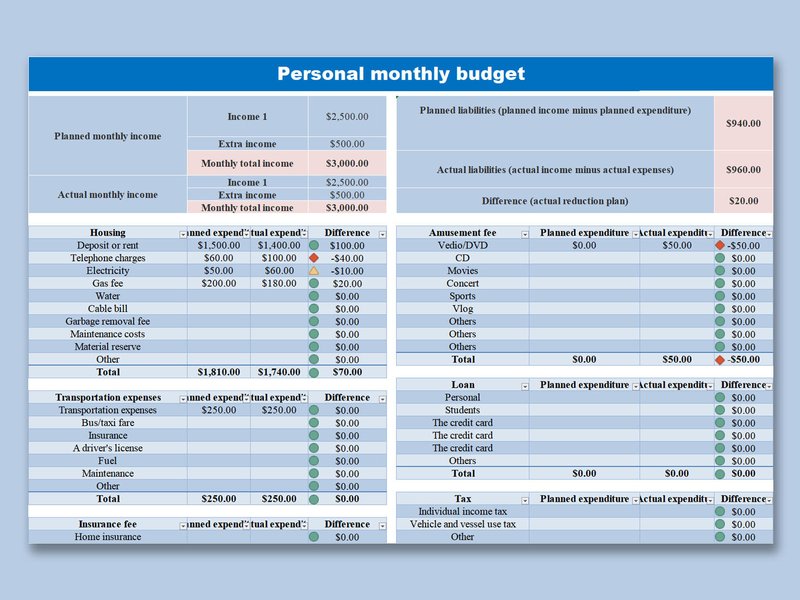
Start by listing your monthly essential expenses: rent or mortgage, utilities, groceries, insurance, and minimum debt payments. Suppose these add up to £1,200 a month. Multiply by three, and you need a £3,600 cushion. If you have a variable income, add an extra 10% to buffer fluctuations, bringing the target to £3,960.
2. Open a Dedicated Savings Account
Choose a high‑interest, low‑fee savings account that offers instant access. For example, a UK online bank might give 1.5% APR with no monthly maintenance fee. Keep the account separate from your everyday checking to avoid accidental spending. Set up a direct debit that moves £200 from your paycheck to this account every month.
3. Automate and Scale the Contributions
Automation removes the decision point. Use your employer’s payroll system to earmark a fixed percentage of each pay check—say 10%—for the emergency fund. If your salary increases, the contribution rises automatically. If you receive a bonus, consider allocating 50% of it to the fund until you hit the target.
4. Reassess and Adjust Periodically
Every six months, review your expenses. If you buy a new car or move to a higher‑cost city, recalculate the monthly total and adjust the target accordingly. Likewise, if you pay off a debt, you can reduce the required cushion to the new three‑month figure.
5. Keep the Fund Accessible but Protected
While the money should be easy to withdraw, avoid the temptation to dip into it for non‑emergencies. One trick is to split the fund into two accounts: a “ready‑access” account for up to one month’s expenses, and a “long‑term” account for the remaining balance. Only use the ready‑access account when a genuine emergency—like a sudden medical bill—arises.
Mid‑Article Aside
When you’re comfortable with your savings routine, you might look for ways to pass the time during those rare moments when the emergency fund is untouched. For example, many people enjoy casual online gaming as a low‑stakes entertainment option. If you’re curious about a site that offers a variety of games with modest wagering limits, you could check out FatBet to see what’s available.
Conclusion
Building an emergency fund is a disciplined process that starts with a clear target, a dedicated account, and automated contributions. By reviewing and adjusting every six months, you keep the fund aligned with your life’s changes. Once the goal is reached, you’ll have peace of mind knowing that three months of living costs are safely set aside, ready to shield you from unexpected financial shocks.
Frequently Asked Questions
What is the recommended amount for an emergency fund?
Aim for three months of essential living expenses, such as £3,600 if your monthly essentials total £1,200.
How can I automate my savings?
Set up a standing order or direct debit from your checking to a separate savings account each pay period.
When should I adjust my target amount?
Reassess after major life changes—new job, mortgage, or increased debt—to keep the fund proportional to your expenses.